
CLOUD OPERATIONS

A primer on scaling and automating with Terraform.
Working in a team would be inconceivable without the adoption of an automated tool. Terraform allows you to set up a shared state that has a locking mechanism, which makes teamwork synchronous.

Best Practices when migrating a WooCommerce site to Google Cloud
It reaches a point where shared servers can no longer support the transactions on your website.

Google Cloud Load Balancer
The target HTTP proxy checks each request against a URL map to determine the appropriate backend service for the request.

Understanding Google Cloud’s object storage service
The purpose of this module is to explain which services are available and when to
consider using them from an infrastructure perspective.

Transitioning from legacy applications to modern applications
The necessity to revamp a system is becoming more common these days, yet our customers are unsure of what we would do differently.

What is multi-cloud computing?
We will share some experiences, best practices, critical success factors as well as antipatterns that have been harvested from hundreds of cloud strategy engagements.
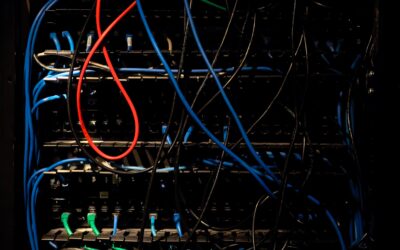
Common pitfalls to avoid when migrating your data center to the cloud
Migration plans can be hampered by legacy monolithic applications that need to be broken down before their operations can be transferred to the cloud. Although this refactoring makes sense, it’s very difficult to justify the cost of doing so.

Building blocks of the cloud
Cloud computing offers the use of computing resources as a service over the network. Of course, not all service requirements are identical. Some cloud users may only desire access to raw infrastructure on which to build applications. Others may wish to not deal with...

Modern Application Best Practices
Once a new technology rolls over you, if you’re not part of the steamroller, you’re part of the road. – Stewart Brand

A Brief Overview of Cloud Computing
In cloud computing, the capital investment in building and maintaining data centers is replaced by consuming IT resources as an elastic, utility-like service from a cloud “provider” (including storage, computing, networking, data processing and analytics, application development, machine learning, and even fully managed services).